
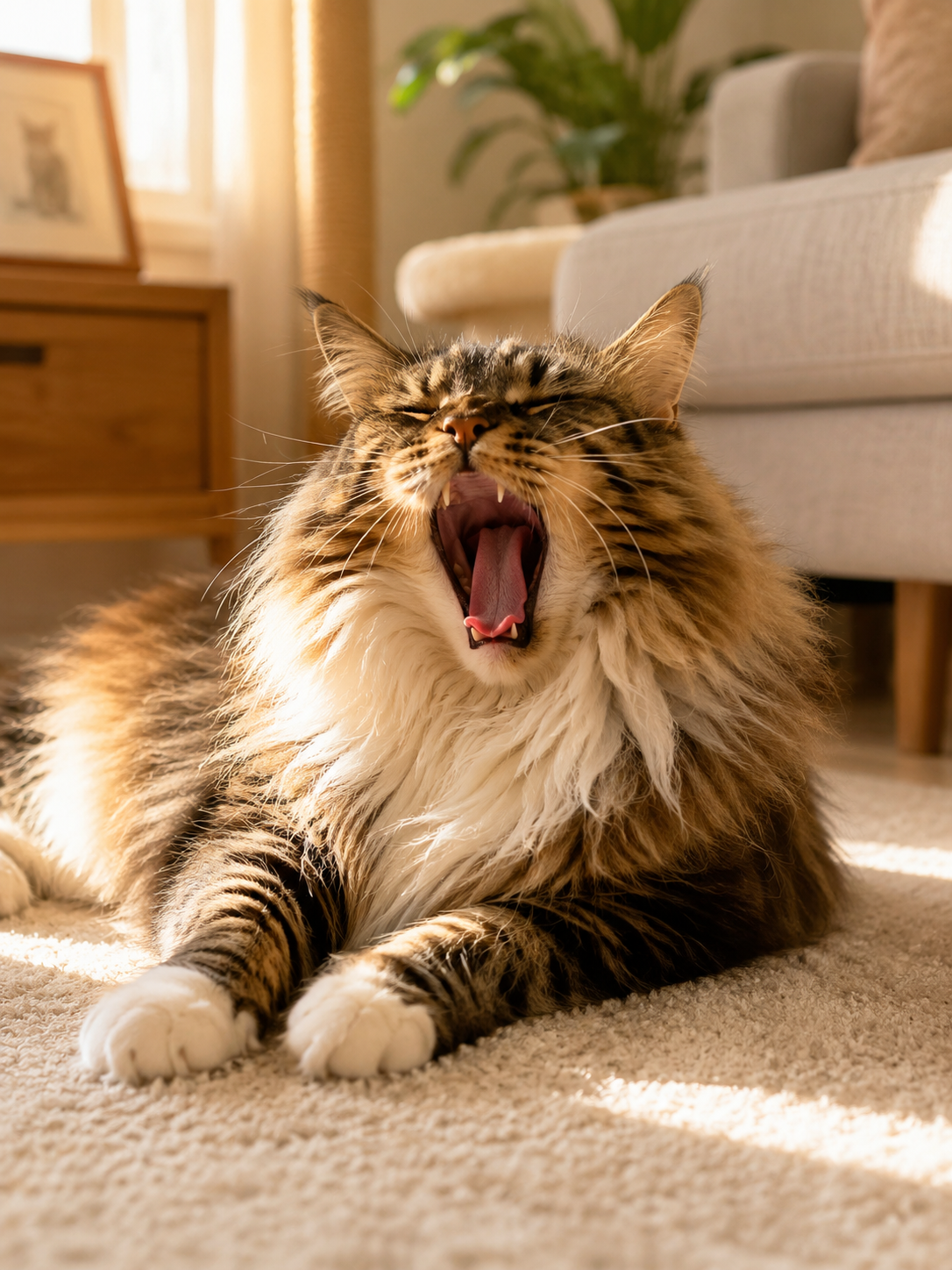
Many cat parents aren't fazed by a child’s cries in the middle of the night—but the distinct, unmistakable sound of a cat gagging instantly wakes them up. After cleaning up that damp, tube-shaped clump of fur from the carpet, the living room floor, or even the inside of a slipper, a lingering worry always sets in: Is it really normal for my cat to throw up hairballs so often? Could there be an underlying issue with their stomach or digestion?
Let's break down the science of why hairballs happen, how to spot the dangerous warning signs, and how a strategic grooming and home-cleaning routine can provide a permanent cat hairball remedy.
Why Do Cats Get Hairballs in the First Place?
Cats are obsessive self-groomers, spending between 30% and 50% of their waking hours licking their coats.
Their tongues are covered in tiny, backward-facing barbs called papillae, which act like a natural comb. These barbs catch loose, dead undercoat fur, which the cat then swallows. Because cat hair consists of indigestible keratin, it cannot be broken down by gastric juices.

While most loose hair safely passes through the digestive tract and exits via feces, remaining strands can accumulate in the stomach, tangling into a tight, cylindrical cluster. Eventually, the stomach lining becomes irritated, prompting the cat to expel the mass as a hairball.
So, Is It Normal or Not?
Here's the nuance most quick-answer articles skip: occasional hairballs are common, but frequent hairballs are a signal.
-
The Healthy Range: For a typical indoor shorthair cat, vomiting a hairball 1–2 times a month is normal. For long-haired breeds like Persians or Maine Coons, 2–3 times a month is still within a healthy baseline due to their dense coats.
- The Danger Zone: If your cat is dry-heaving or throwing up hairballs multiple times a week, it is abnormal and requires immediate attention.
Use this classification matrix to evaluate your cat’s health:
✅ Normal & Healthy Hairball Vomiting
- Appearance: Solid, tube- or sausage-shaped hairball with a small amount of clear fluid.
- Behavior: Cat returns to normal immediately after—eating, drinking, playing, and grooming as usual.
- Frequency: Occurs predictably and infrequently (about once or twice per month).
- Comfort: No persistent retching, distress vocalization, or signs of discomfort before vomiting.
❌ Abnormal & Dangerous Vomiting (Contact Your Vet Immediately)
- High frequency: Vomiting multiple times per week or daily.
- Content changes: Vomit contains thick yellow bile, blood, or large amounts of watery fluid.
- Unproductive retching: Cat strains, gags, or cries in pain but brings up nothing—a potential sign of intestinal or hairball obstruction.
- Systemic symptoms: Accompanied by lethargy, sudden weight loss, a distended or firm abdomen, or severe constipation.
Simple & Effective Ways to Prevent Cat Hairballs
The absolute best way to manage hairballs is to reduce the amount of loose hair your cat swallows in the first place. You can easily control this at the source with a proactive daily routine.
1. Groom Your Cat Regularly (Your Best Line of Defense)
 Daily brushing removes dead undercoat fur before your cat can lick and ingest it. This single habit can cut down swallowed hair volume by over 70%.
Pro-Tip Tool: To minimize grooming resistance, use a gentle, self-cleaning slicker brush like the ACE2ACE Professional Cat Brush. It targets the loose undercoat while providing a soothing massage that protects delicate feline skin.

ACE2ACE Professional Cat Grooming Brush
$13.59
Gentle yet effective brush for removing loose fur, tangles, and dander—ideal for long & short-haired cats.
Learn More →2. Reduce Floating Hair in the Environment

A clean home environment directly results in fewer hairballs. Stray fur on furniture easily clings back onto your cat's coat during their daily naps, leading to accidental ingestion during grooming.
Pro-Tip Tool: Use the ACE2ACE Reusable Pet Hair Remover Roller to systematically lift embedded hair from couches, beds, carpets, and cat trees to break the cycle of re-ingested fur.
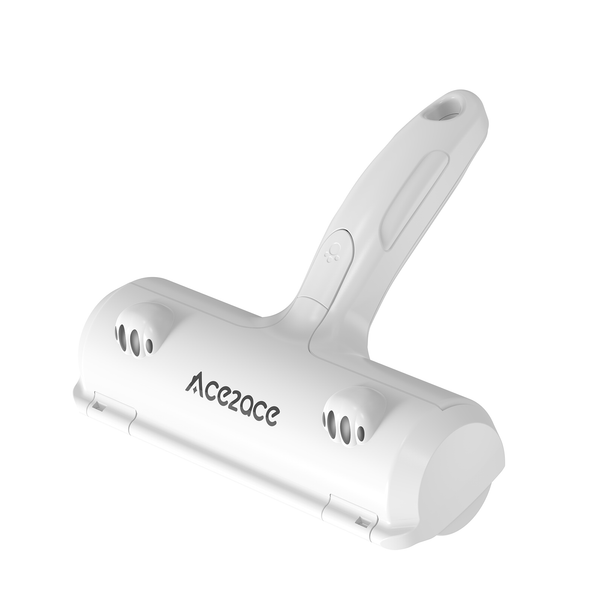
ACE2ACE Pet Hair Remover Roller
$22.99
Effortlessly remove pet hair from velvet, cloth sofas, cushions, and more with this portable, reusable roller.
Learn More →3. Optimize Your Cat’s Diet
 Incorporate high-fiber cat food, dedicated hairball paste, or fresh cat grass into their meals. Dietary fiber boosts gastrointestinal peristalsis, helping swallowed hairs glide smoothly through the intestines and exit harmlessly in the litter box. Ensure constant access to fresh water to keep the digestive tract hydrated.
4. Manage Stress and Boredom
 Anxious or bored cats often engage in psychogenic alopecia—compulsive over-grooming that dramatically increases hairball production. Enrich their indoor environment with interactive toys, scratching posts, and climbing trees to stabilize their emotional health.
The Bottom Line
Most of the time, it's just a hairball. Clean it up, pet your cat, go back to bed. But if it's happening too often, listen to what your cat is telling you. They're not being dramatic. They're asking for help.