
Living with pets brings joy and companionship, but managing pet hair is a daily challenge for every pet owner. Pet hair can accumulate on furniture, clothing, and throughout your home, triggering allergies and creating an unkempt appearance. The good news? With the right strategies and tools, you can significantly reduce pet hair in your living space.
1. Regular Furniture Cleaning
Daily cleaning is essential - hair accumulates quickly along with dust and allergy-triggering particles.

-
You can use a vacuum or broom to clean up dust and surface-level pet hair.
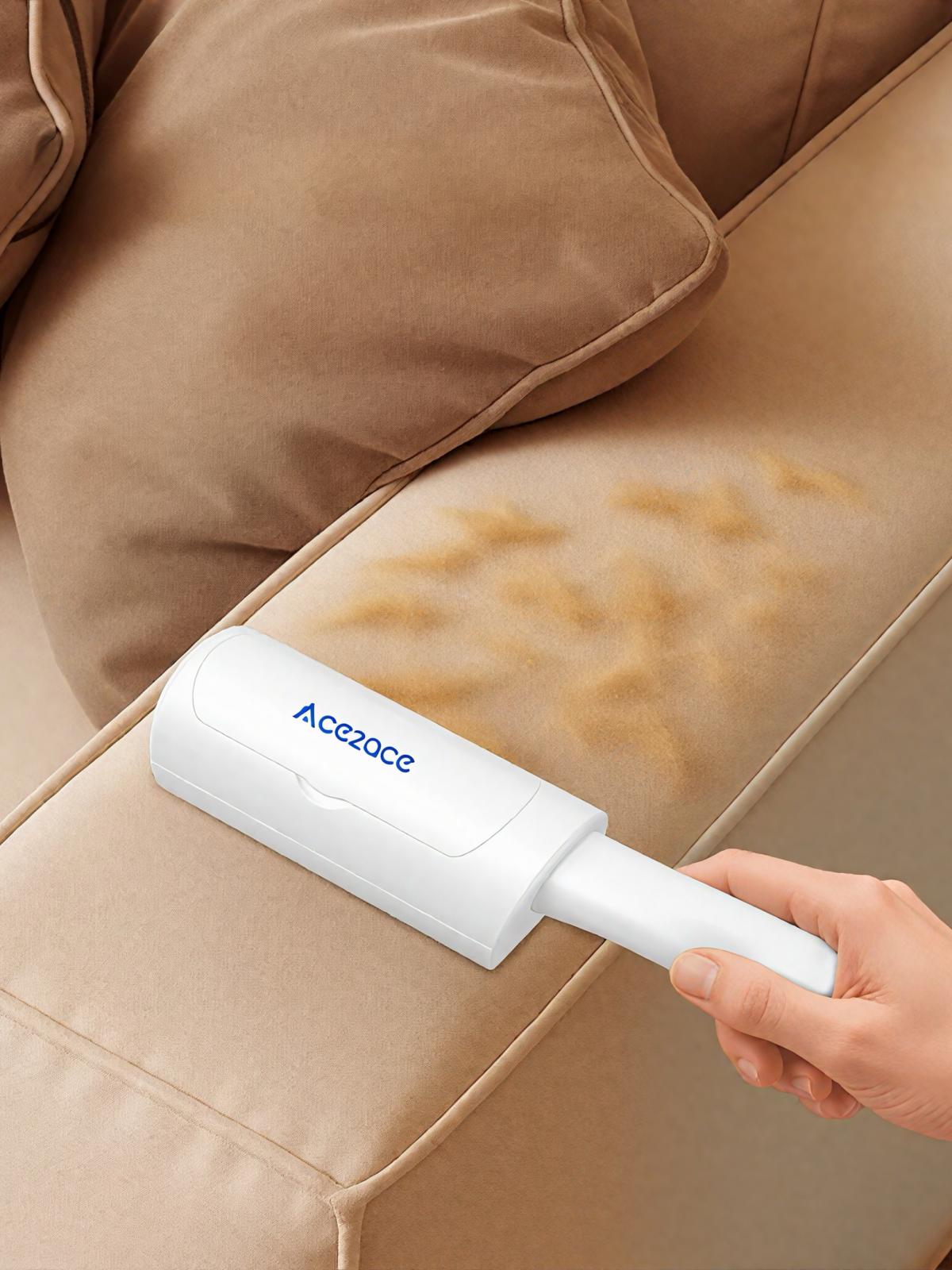
Choose the right pet hair removal tool - Upholstered furniture like sofas, beds, and carpets are the primary collection points for cat hair. Regularly cleaning can significantly decrease hair accumulation.

- For sofas, beds, and upholstery,try the ACE2ACE Classic Pet Hair Remover. Just roll it back and forth by hand, and it pulls out deep-set pet hair—collecting it neatly in a built-in bin. No sticky sheets, no batteries, and no hassle!
Recommended Products
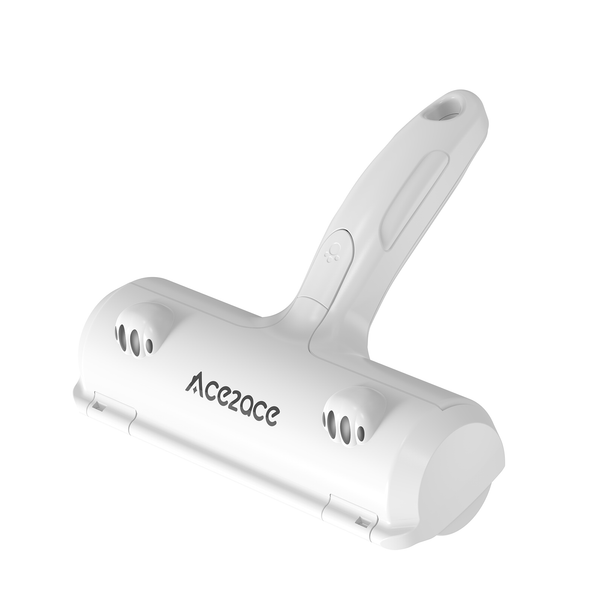

- For carpets and large area rugs, go with the ACE2ACE A3 Pro Carpet Pet Hair Remover. It has an adjustable handle that extends up to 1.5 meters—so you can clean standing up without bending over or straining your knees. It features a super-sized dustbin but works just as easily, making deep-cleaning big surfaces way more comfortable.
Recommended Products
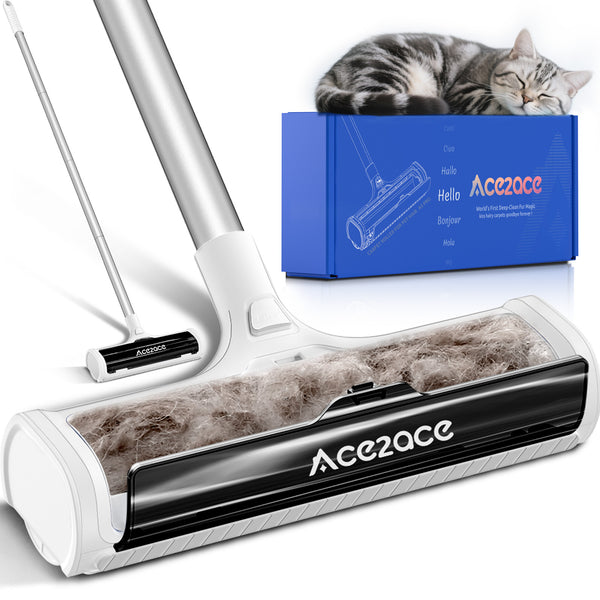
Tip: Use the A3 Pro once or twice a week on high-traffic carpet areas, and keep the Classic Roller next to the sofa for daily touch-ups.
2. Cleaning Clothes & Removing Pet Hair
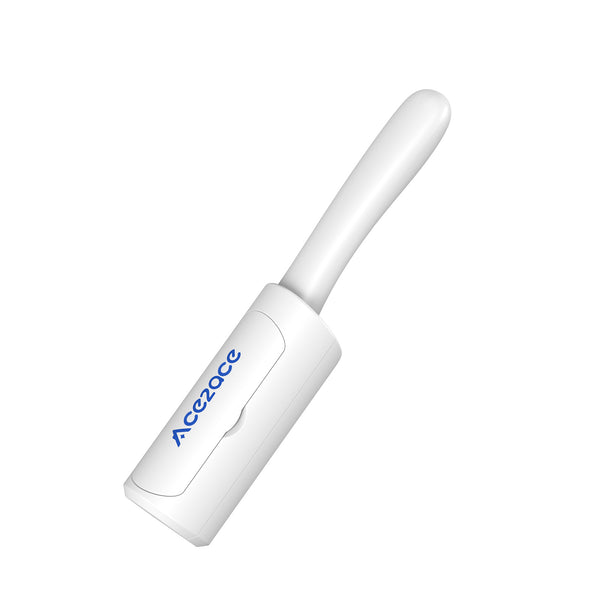
Mini pet hair remover roller - After playing with your cat, clothes can easily pick up pet hair. Carry a portable hair roller to quickly clean your clothing before leaving the house.

- Sticky rollers work well, but they waste disposable sheets—and they always seem to run out right when you need them most!
Recommended Products
Using lint absorbing sheets - When washing pet-hair-covered clothes, add lint absorbing sheets (also known as dryer sheets or laundry catcher sheets) to your washing machine or dryer. These sheets work by attracting and trapping pet hair during the wash and dry cycles, preventing hair from redepositing on your clothes or clogging your washing machine.

3. Regular Pet Grooming
Cat grooming - Regular brushing removes loose fur before it sheds onto your furniture and clothes. Start grooming in late spring when cats shed heavily for summer, and continue year-round for breeds that shed continuously. Use a fine-tooth cat brush designed specifically for feline coats.

Recommended Products
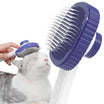
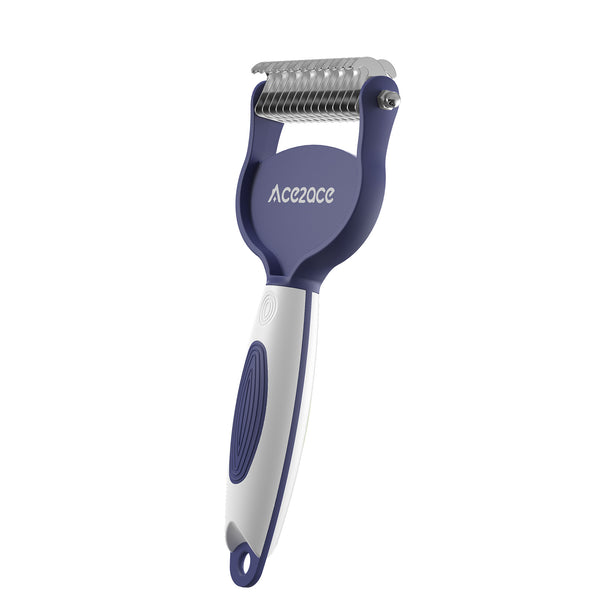
Dog grooming - Regular brushing removes loose undercoat and dead hair before it ends up on your furniture and clothes. Start ramping up grooming in late spring when dogs shed their winter coat, and keep it going year-round for double-coated breeds that seem to shed constantly. A good undercoat rake works wonders—look for one with rounded teeth that won’t scratch the skin.

Recommended Products
Conclusion
Managing cat hair requires a consistent multi-pronged approach: regular furniture cleaning, immediate clothes care after cuddling, frequent cat grooming, and smart laundry practices. By incorporating ACE2ACE's professional pet care products into your routine, you can significantly reduce the amount of cat hair in your home and enjoy a cleaner, more comfortable living environment.
Remember: Never punish your cat for shedding - cats naturally lose hair, and stress can actually increase shedding. Embrace the routine and make pet care a bonding experience with your feline friend!
You Might Also Like