

1. More Than an "Outfit": Why Fur is a Health Indicator
When you stroke your cat or dog, do you pay attention to the condition of their coat? Fur isn't just your pet's "outfit"—it's a crucial indicator of their overall health. While premium food and vaccinations are essential, daily brushing is the most overlooked pillar of pet health management.

2. Skin Inspection: The Undervalued "Health Check" Function During Brushing
Brushing is actually a "full-body scan." In a well-lit area, run your tool through their coat and watch for these warning signs:

-
Lumps and bumps: Most skin masses are discovered by owners during grooming, not by vets during annual checkups. Early detection is key for soft-tissue health.
-
Hot spots and rashes: Redness or a "corn chip" smell can signal yeast overgrowth or bacterial dermatitis.
-
Parasites and flea dirt: If you see tiny black specks, place them on a damp paper towel. If they turn red, you’ve found flea dirt—often long before you see a live flea.
-
Dry skin and dandruff: Changes in flake quantity or texture can point to dietary gaps, low humidity, or underlying allergies.
3. Boosting Coat Quality: Nature’s Conditioner
Every hair follicle is connected to a sebaceous gland. In healthy pets, natural oils travel down the hair shaft to provide water resistance and shine.
 How Brushing Helps:
-
Distributes Oils: Prevents "oil pooling" at the skin surface (which causes flakes).
-
Prevents Matting: Mats aren't just ugly -can create painful tension points that pull on the skin and lead to secondary infections
-
Reduces Shedding: By removing dead undercoat manually, you reduce the "fur snowstorm" in your home.
For long-haired breeds like Maine Coons, Persians, Rough Collies, and Golden Retrievers, this distribution function is genuinely essential. Without it, the undercoat compacts into felt-like mats that can only be removed by shaving.
The Respiratory & Digestive Equation:
For Cats: Brushing removes loose fur before they swallow it, dramatically reducing the risk of life-threatening intestinal hairball blockages.
For Dogs: It reduces the amount of dander and loose hair floating in the air, which benefits both the dog’s and the owner’s respiratory health.
4. Recommended Grooming Schedule
Use this table to determine the best frequency and tools for your companion:
| Pet Type | Recommended Frequency | Recommended Tools | Image |
|---|---|---|---|
| Short-haired pets | 2–3 times per week | Pin Brush | 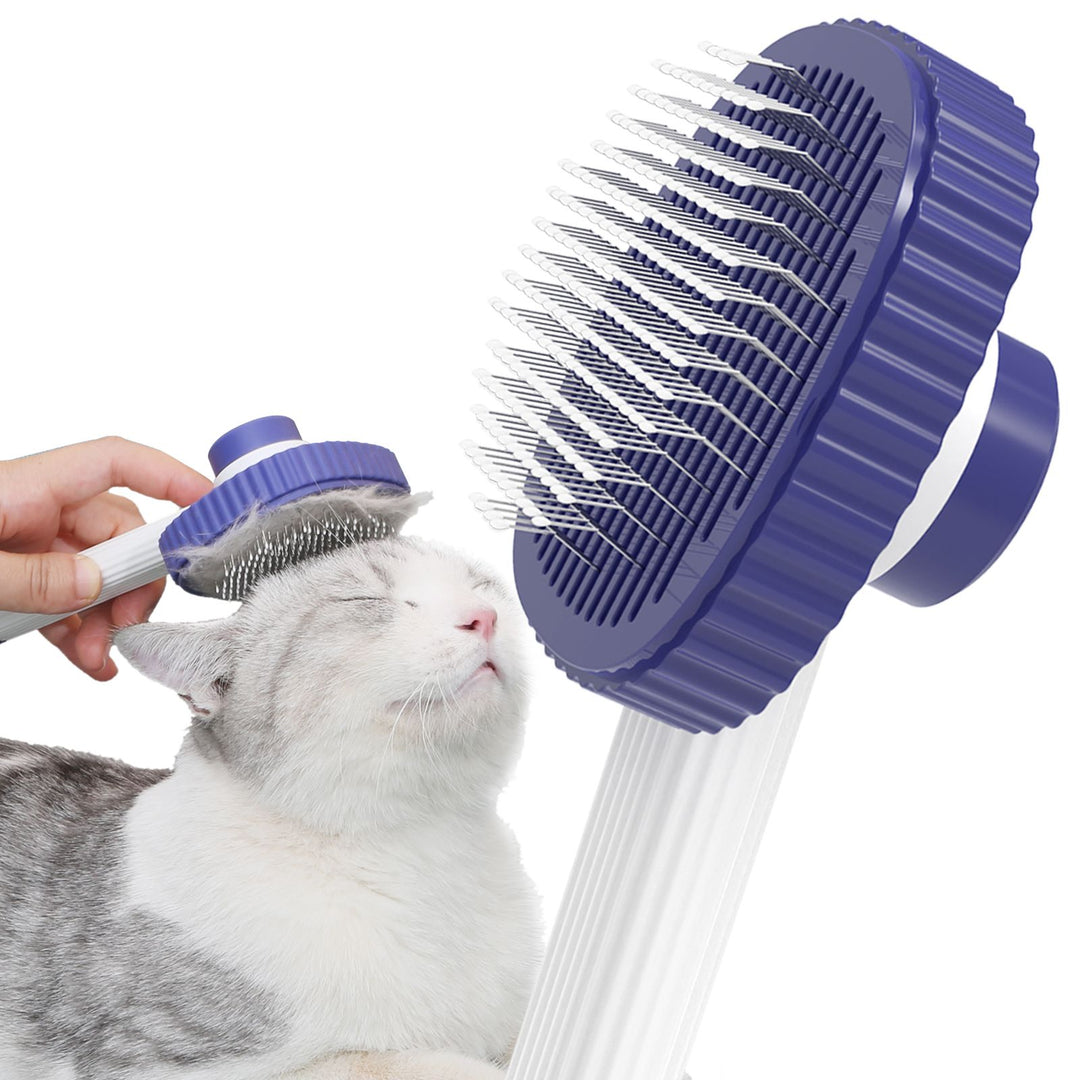 |
| Long-haired pets | Once daily | Undercoat Rake | 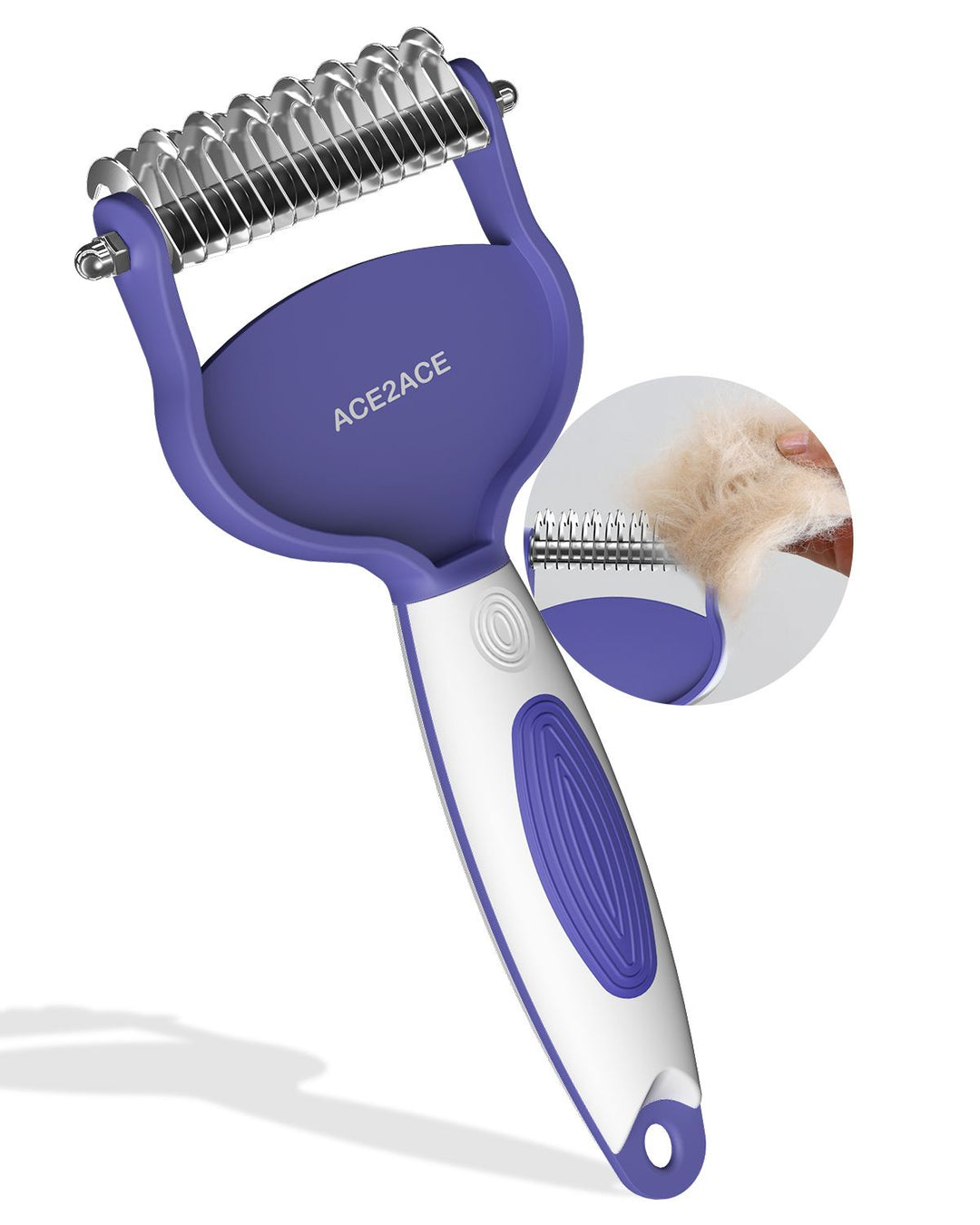 |
| Shedding season | Increase frequency by 50% | Pin Brush, Undercoat Rake | 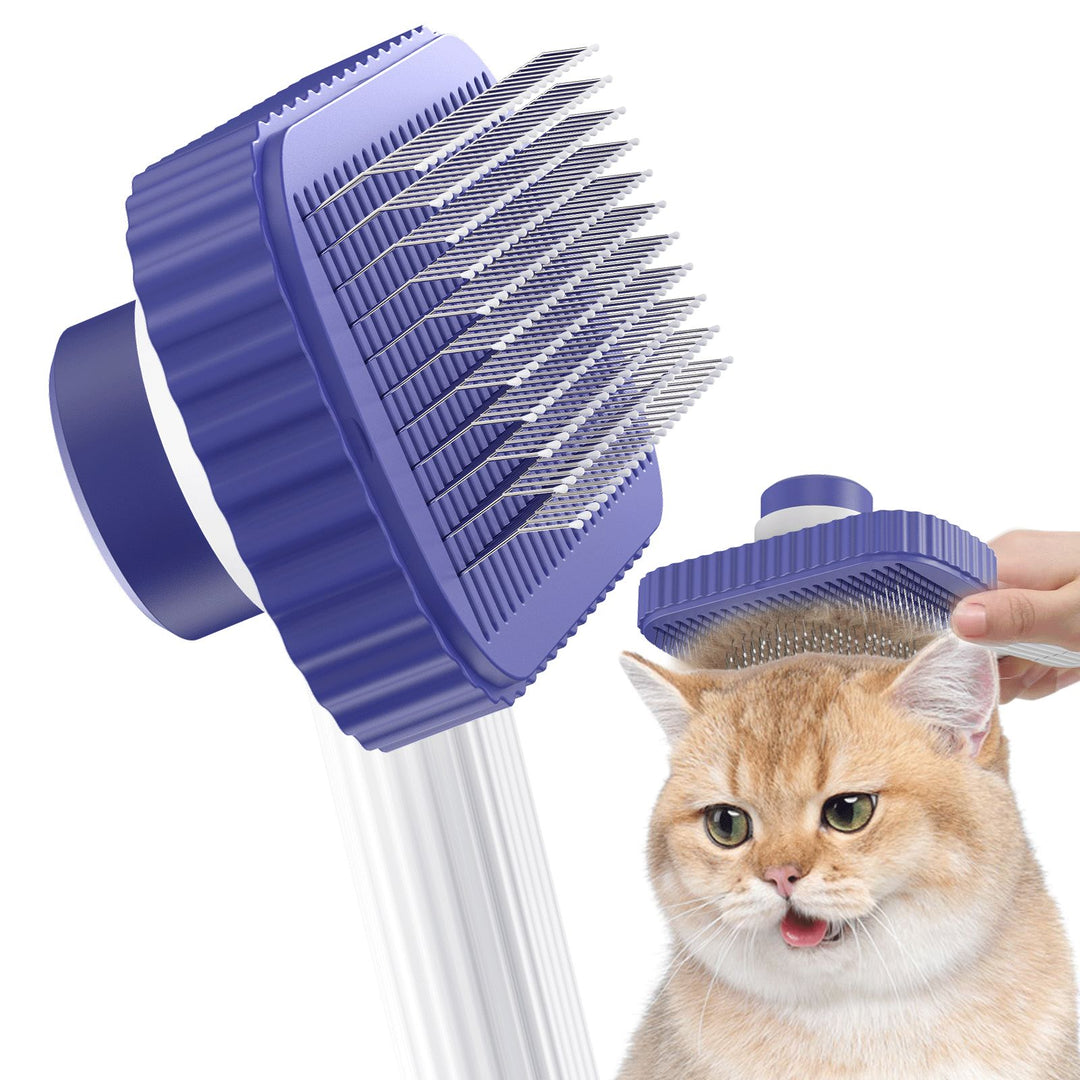 |
Each brushing session doesn't need to be long—5-15 minutes is sufficient, depending on your pet's size and coat volume. The key is maintaining regularity, making brushing a bonding experience both you and your pet can enjoy.
5. Summary: Brushing is an Expression of Love
Managing your pet’s fur isn't just about keeping a tidy home; it's an act of preventive medicine. By choosing the right tools and maintaining a consistent schedule, you’re strengthening the bond with your companion and ensuring they stay by your side for years to come.
👉 Shop the ACE2ACE Health & Cleaning Collection
🐾 Quick Poll: How often do you brush your pet?
A. Daily 🗓️
B. Weekly 🧹
C. Only when I see fur! 😅
Let us know in the comments below!