
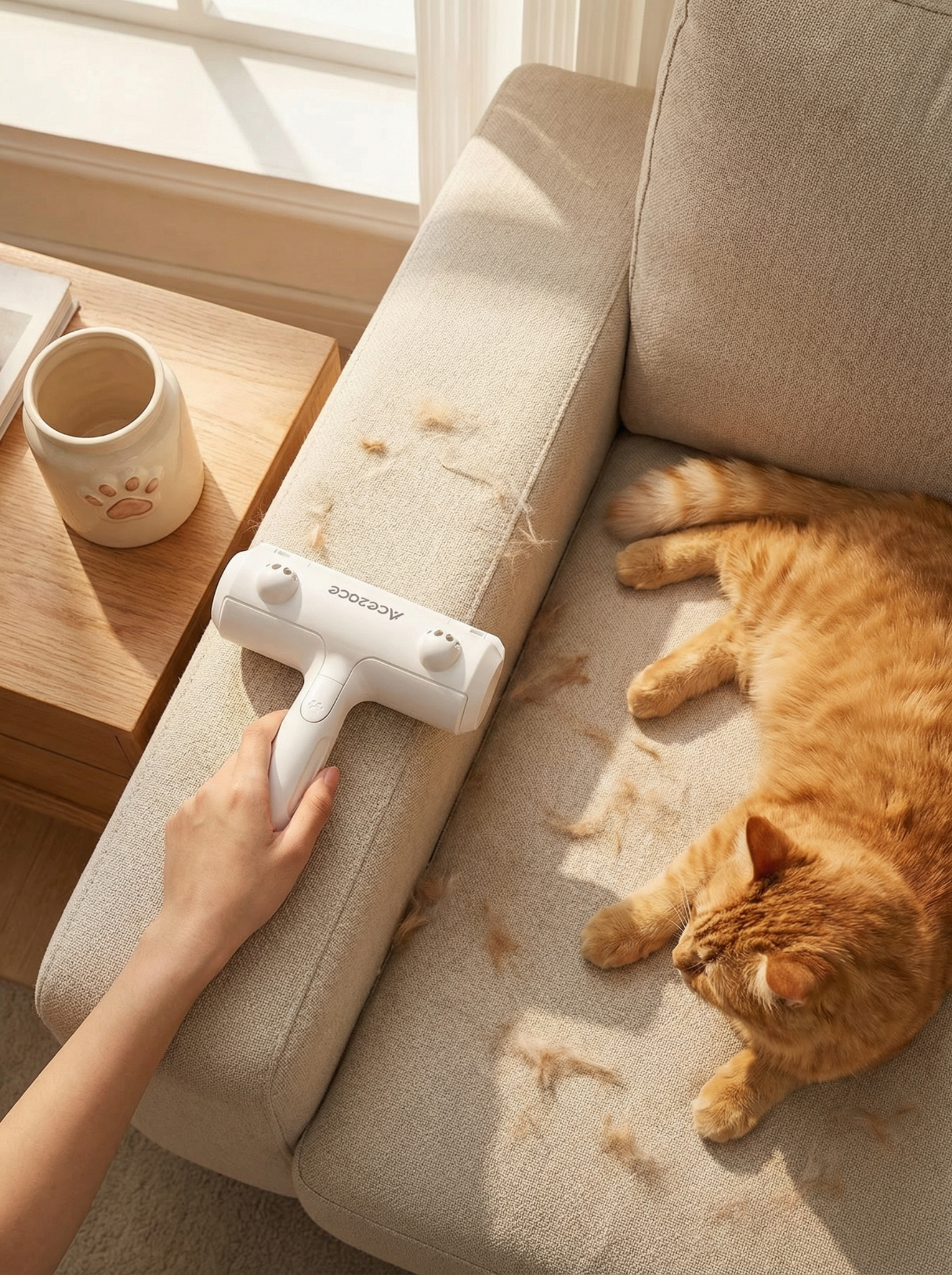
Introduction: When Pets Become the Sofa's "Public Enemy No. 1"
Have you ever noticed a strange phenomenon — someone else‘s sofa still looks brand new after five years, but yours starts sagging, fading, and pilling after just two?
For pet-owning families, the sofa is one of the most "tested" pieces of furniture in the home. According to a U.S. home survey, sofas in pet-owning households have an average lifespan that’s 30% to 40% shorter than those in non-pet homes. Fur embedded in fibers, claw marks on fabric, dander and oils seeping in, plus bacteria growth from irregular cleaning — all of this is quietly “stealing” years from your sofa.

But here’s the thing: Most pet owners only clean their sofa when they “can’t stand it anymore.” That’s a reactive, passive approach.
This article provides a complete quarterly maintenance plan, helping your sofa maintain its best condition even under "pet attack."
Understanding the Three Major Misconceptions About Sofa Maintenance
Before starting your maintenance plan, let's examine the three most common misconceptions pet owners have.
❌ Misconception 1: Having Pet Hair Removal Tools Means You're Set
Many pet parents believe that buying a good pet hair removal brush solves all problems. In reality, hair removal is only the entry-level step in sofa maintenance.Deep cleaning, material protection, and regular inspections are equally important.
❌ Misconception 2: Clean Only When It's Dirty
"Wait until the sofa is dirty before cleaning it" is another common misconception. Preventive maintenance is far more effective and economical than remedial cleaning.
❌ Misconception 3: All Sofas Need the Same Method
Fabric sofas, leather sofas, tech-fabric sofas... different materials require different maintenance approaches. Using incorrect cleaning methods could cause irreversible damage.
Part 1: The Basics — 4 Things You Should Do in Any Season
Before we dive into seasonal tasks, these foundational actions are non-negotiable. Think of them as your sofa’s “daily vitamins.”
1. Spend 5 Minutes on “Spot Cleaning” Every Day

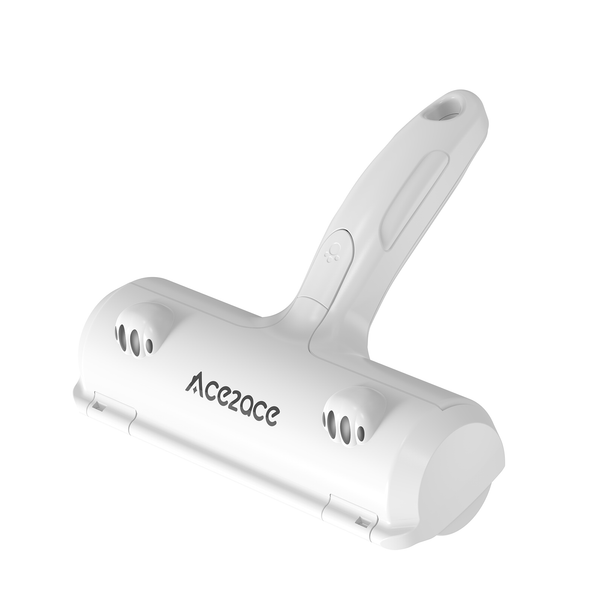
Static charge technology—removes more fur in fewer passes than carpet cleaners.
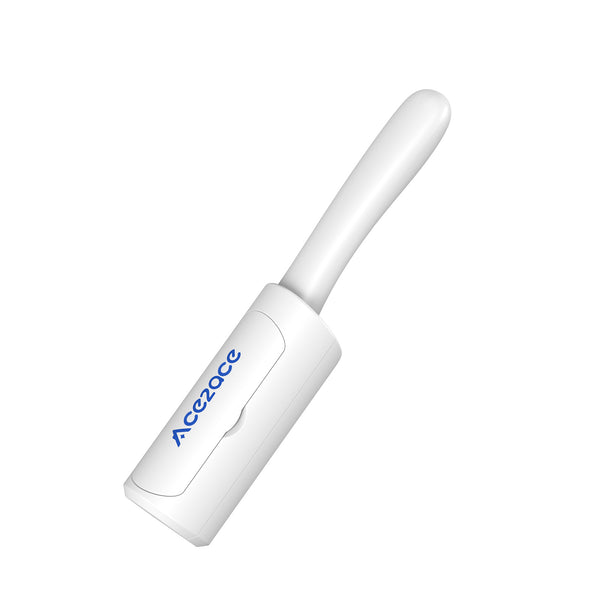
Compact and portable—fur removal anywhere you go.

Features an upgraded switch, ergonomic grip, and wider coverage for faster, smoother cleaning.
2. Vacuum at Least Once a Week

3. Groom Your Pet Regularly — Reduce Shedding at the Source


Designed for double-coated breeds to remove trapped fluff without cutting the skin.
View Details
The perfect daily maintenance tool for all coat types.
View Details
The perfect daily maintenance tool for all coat types.
View Details
4. Use Sofa Covers or Pet Blankets

Part 2: Quarterly Care Guide — Seasonal Priorities
Now for the core content. Each season has unique maintenance tasks. Follow this rhythm, and your sofa will stay in top condition year-round.
🌸 Spring Care Theme: Peak Shedding Season
Spring is peak shedding season. Pets shed their thick winter coats for lighter summer fur. During this time, you’ll notice fur exploding across your home — sofas, carpets, clothes — everywhere.

Spring Maintenance Priorities:
-
Increase daily fur removal to at least once a day.Fur volume is 2 to 3 times higher in spring. Waiting for it to pile up will leave you overwhelmed. Keep an effective fur removal tool next to your sofa and brush each time you get up.
-
Do a deep vacuum.Remove all cushions and use the crevice tool to clean under cushions and in the backrest folds. These areas have been collecting fur and dust all winter, and if not thoroughly cleaned, spring humidity can lead to dust mites.
-
Increase pet grooming frequency. In spring, brush your pet daily using a shedding rake or pin brush, going from root to tip to remove loose undercoat before it falls off
- Watch for spring humidity. Spring air is more humid, which can cause fabric sofas to feel damp. Keep rooms well-ventilated and use a dehumidifier if needed to prevent mold.
☀️ Summer Care Theme: Humidity, Odor Control & Static
Summer brings high heat and humidity. Pets are more active, and sweat and oils can seep into sofa fabric, creating odors. Meanwhile, air conditioning dries out indoor air, increasing static electricity — making fur cling to sofas like crazy.

Summer Maintenance Priorities:
-
Do a baking soda deep deodorizing treatment. Sprinkle baking soda evenly over the sofa surface, let it sit for 30 to 60 minutes, then vacuum thoroughly. Baking soda absorbs deep-seated odors and excess moisture, leaving your sofa fresh
-
Prevent moisture damage. Summer rains mean more wet paws. Keep an absorbent towel by the door and dry your pet‘s paws and body before they jump on the sofa.
-
Combat static cling. Dry indoor air from AC use makes fur stick to fabric. Lightly mist the sofa surface with plain water (don’t soak it), then brush — static cling will drop significantly.
-
Maintain air circulation. With AC running all day, indoor air can get stuffy. Open windows for 1 to 2 hours daily to let fresh air in.
🍂 Fall Care Theme: Preparing for Round Two of Shedding
Fall is the second shedding season of the year, so fur volume spikes again. As temperatures drop, pets become more active and spend more time on the sofa.

Fall Maintenance Priorities:
-
Return to high-frequency fur removal. Like spring, fall shedding season requires daily sofa cleaning. Also check your fur removal tools — high-use tools need regular dust bin emptying to maintain effectiveness.
-
Inspect your sofa for wear. After summer‘s heavy use, you may notice pilling, cushion sagging, or armrest wear. Fall is a good time to address these — rotate or flip cushions to distribute wear evenly.
-
Prepare for winter. As it gets cooler, consider adding a washable thick blanket or sofa cover. This “winter protective layer” keeps your sofa warm while blocking fur and claws.
-
Pay attention to your pet’s skin health. Fall air is drier, which can make pet coats dry and brittle, increasing shedding. Consider adding Omega-3 supplements (like fish oil) to your pet’s diet to support healthy fur.
❄️ Winter Care Theme: Static Control & Leather Care
Winter‘s biggest challenge is static. When heating kicks in, indoor humidity plummets, and fur clings to sofas like it’s magnetized. Winter is also a critical time for leather sofa care.

Winter Maintenance Priorities:
-
Focus on static reduction. When cleaning your sofa in winter, first wipe the surface lightly with a slightly damp cloth (test on a hidden spot first for fabric sofas to ensure no color transfer). This increases surface moisture and reduces static cling. Then brush immediately — the effect is dramatic.
-
Leather sofas need winter conditioning. Winter dryness causes genuine leather to crack. Condition your leather sofa every 3 to 4 months to keep the leather supple-
-
For daily cleaning, wipe with a slightly damp soft cloth to remove pet fur and dust.
-
Control indoor humidity. Use a humidifier to keep indoor humidity between 40% and 60%. This reduces static while protecting both your sofa and your pet’s skin.
-
Limit wet cleaning. In winter, fabric sofas take longer to dry. Avoid heavy water-based cleaning. Stick to dry cleaning methods: vacuuming, fur brushes, and baking soda.
Conclusion
Caring for your sofa as a pet owner is never a “one-time” job. It takes a combination of habits × methods × tools. Daily spot cleaning + weekly vacuuming + quarterly deep care — plus a good fur removal tool — can keep your sofa clean, comfortable, and durable for years, even with furry companions.
When it comes to keeping your sofa pet-friendly, clean, and long-lasting, the right tools truly make all the difference. That’s why we recommend ACE2ACE’s premium pet hair removal rollers — engineered for real-life pet owners who want fast, effective, and effortless cleaning.
Upgrade your pet cleanup routine today with ACE2ACE