

The Daily Struggle: Why Fur Molds Itself to Your Life
Every pet parent knows the frustrating daily struggle: you clean the house thoroughly, vacuum every corner, wipe down all furniture, yet pet hair still magically reappears. It clings to your favorite sweater, embeds deep into your couch, covers your bedding, and even floats on car seats.
Let's unpack the science behind why pet hair sticks to absolutely everything—and what you can actually do about it.
The Three Forces That Make Pet Hair Stick
Pet hair's uncanny ability to grip surfaces isn't a cleaning failure; it’s the result of three distinct physical factors working in perfect harmony to lock fur in place.
1. The Microscopic Barb Effect
Under a microscope, a strand of dog or cat fur is far from smooth. Each hair shaft features overlapping, raised cuticle layers that resemble a tiny pine tree or a series of fish scales. In nature, these microscopic barbs help shed water and debris off your pet's coat.

In your living room, however, these barbs act like miniature Velcro hooks. When they meet woven textiles—like linen couches, wool rugs, or cotton sweaters—they snag onto the fabric fibers. The more you sit or walk on them, the deeper they weave themselves into the material, making embedded pet hair removal incredibly difficult over time.
2. Static Electricity: The Invisible Attractor
Pet hair is a fantastic conductor of static electricity. In dry conditions—such as air-conditioned summer rooms or heated winter homes—friction causes pet hair to quickly pick up electrical charges.

Your negatively charged pet hair actively seeks out positively or neutrally charged surfaces. Your clothes, synthetic furniture fabrics, and even your skin act as structural magnets. This is why a single cat hair can seemingly leap across a short distance just to land on your fresh laundry.
3. Lightweight + Large Surface Area = Fur Everywhere
A single pet hair weighs almost nothing, but its long, thin geometry gives it a massive surface area relative to its mass. This aerodynamic profile means it catches indoor air currents with ease.

Drafts from your HVAC system, ceiling fans, or simply walking through a hallway send shed fur airborne. Once floating, it drifts through your home until it encounters a high-static fabric surface to latch onto.
Practical Solutions to Stop Pet Hair From Sticking
Luckily, you don’t need to spend hours cleaning daily to fix this problem. Target the root causes with these simple, effective methods:


-
Balance indoor humidity – Proper room humidity reduces static electricity, weakening fur adhesion significantly.Running a humidifier to keep indoor humidity between 40% and 60% drastically.
-
Consistent pet grooming – Brush your pet regularly to remove loose dead fur at the source and cut down floating household hair.Combining your pet 2–3 times a week with a professional tool like the ACE2ACE Grooming Brush.
- Use friction-based reusable hair removers – Ditch over-reliance on vacuums and disposable lint rollers. Friction and electrostatic tools easily lift embedded fur that suction misses.
The ACE2ACE Pet Hair Remover features a specialized fleece surface that generates its own localized static charge as you roll it back and forth. This charge disrupts the fabric's grip, lifting the microscopic hooks out of the weave and depositing the fur safely into an internal collection chamber.
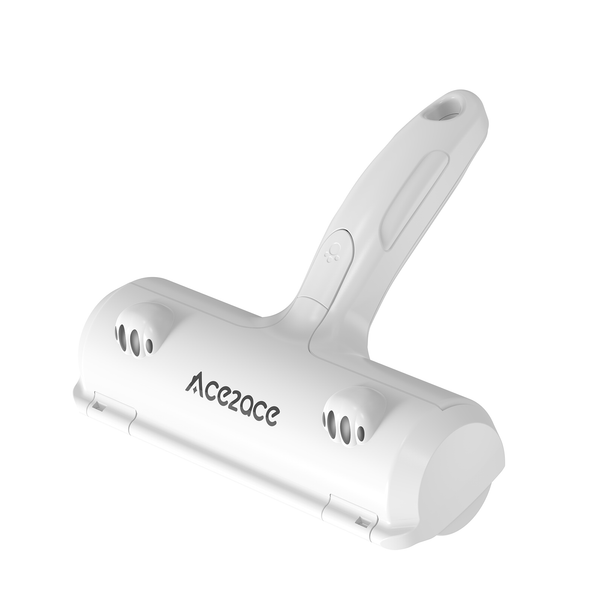
ACE2ACE Pet Hair Remover Roller
$22.99
Effortlessly remove pet hair from velvet, cloth sofas, cushions, and more with this portable, reusable roller.
Learn More →The Bottom Line: Don't Fight Fur, Fight Physics
An endless accumulation of pet hair isn't a sign of a messy home—it's simply physics at work. Once you stop trying to wrestle fur out of your furniture with airflow alone and start using targeted mechanical friction, keeping a clean, hair-free home becomes effortless.
👉 Ready to break the static lock on your furniture? [Explore the ACE2ACE Pet Hair Solutions Collection]